
As the global culinary landscape continues to evolve, professionals in the food and beverage sector must stay ahead of the curve to meet consumer demands and remain competitive. There are so many emerging trends, so we reached into our network and spoke to several industry experts to get their insights & snippets on the following significant food trends within the Australian food industry. We also take a look at if the overseas market if it impacts the food trend or we are in a league of our own.
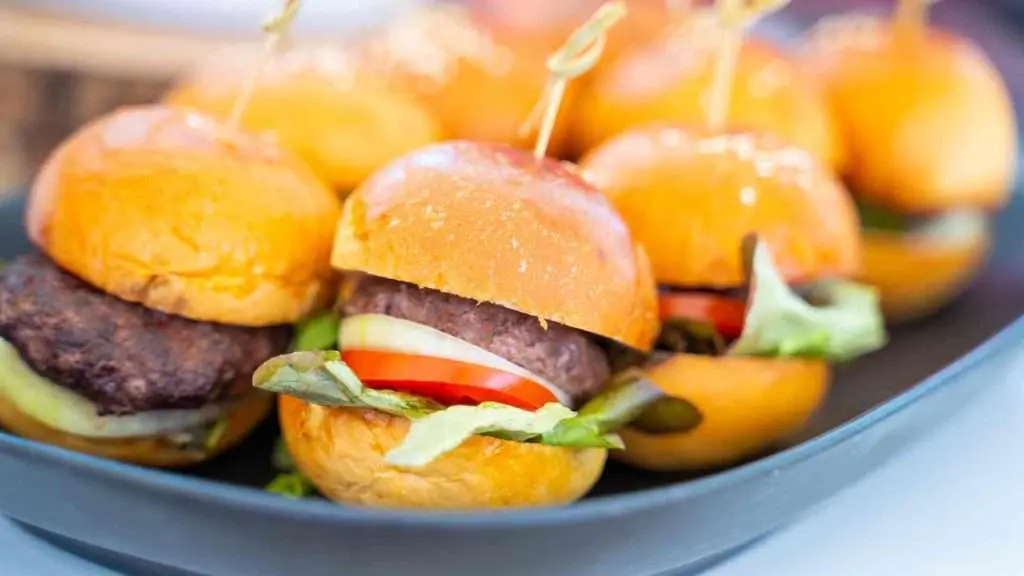
The Return of Comfort Food
The idea is to invoke a sense of comfort while incorporating innovative techniques and ingredients. This approach not only draws in diners with familiar flavours but also excites them with fresh, unexpected elements and with the insight of using local ingredients when possible to support emerging brands and produce, based on seasonal changes.
Simon Street, Group Executive Chef at Hallmark Hospitality, emphasises the importance of nostalgic foods reimagined with a modern twist. He believes that the next big thing in food trends will revolve around taking traditional childhood favourites and reinventing them in contemporary ways. “Food trends are nostalgic; the next big thing always reimagines childhood favourites. It’s about taking traditional, nostalgic foods and giving them a modern twist. Old is new again, and that’s what makes it exciting!” His core values and ethics also source local produce and suppliers when he can. Simon is not driven by cost rather flavour to each dish created in the groups venues. Creating memorable dishes with each bite and tantalizing taste buds.
Matthew Conroy, former Senior Manager at Motto Motto Japanese & now Operations Manager Wine & Dine’m Catering, believes that comfort foods will remain a staple but with a twist. “Comfort foods, simple yet delicious, will remain staples.”
Comfort foods provide a sense of familiarity and warmth, which is especially appealing in uncertain times.
It’s going to be increasingly important to use local and fresh ingredients, as more people are interested in supporting local food and beverage producers in their homes and when they go out too. Karen from Brisbane Food and Wine Tours agrees with this, “more and more of my guests are interested in trying local and seasonal, especially ingredients that are uniquely Australian.” Karen also believes that the comfort food of smoke meats are a big trend out in the foodie scene and as an influencer she is seeing an increase in venues creating infused flavours and becoming creative on how they serve the dishes.
Looking at Aussie classics can provide great inspo, so modernising them with the freshest, seasonal ingredients is a great way to lean into two trends simultaneously.
Here are some fantastic examples of foodie and bev businesses bringing a modern twist to Aussie classics:
Gourmet Insta-worthy donuts, using delicious flavour combos. nododonuts.com bringing a twist to the breakfast classics and also inclusion around gluten intolerances and rewriting the classic donut
Delicious Aussie rissoles with a modern twist
Aussie barbeque with a fancy twist.
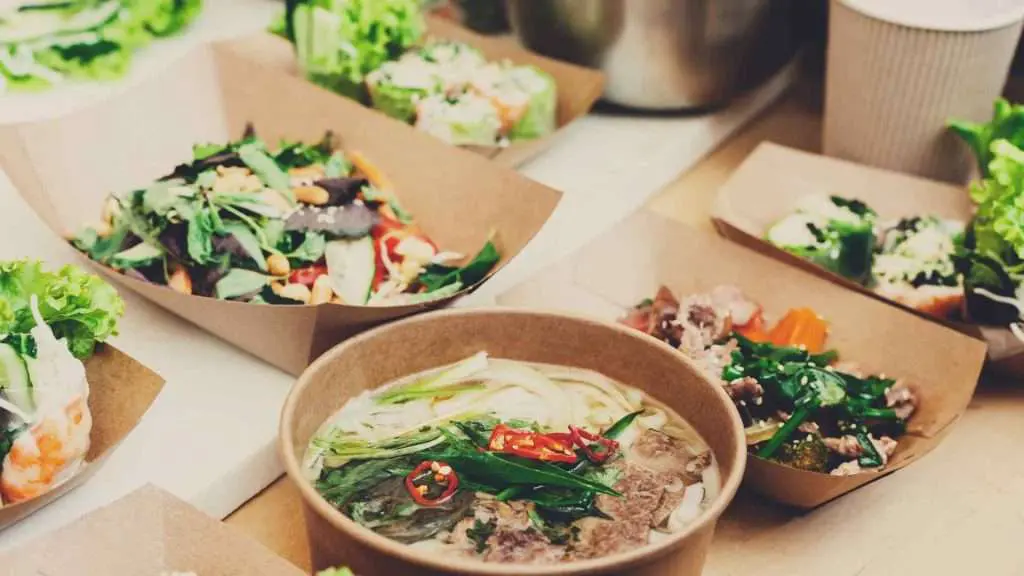
Growing Global Flavours
As the world becomes more interconnected, diners are being exposed to a wider variety of flavours and cooking styles from overseas trips and social media, which they want to see reflected in their dining options.
Luke Mellers, Head of Sales at Hallmark Hospitality, points out the increasing influence of international cuisine. “The world is becoming smaller, and international cuisine is rising. More people are bringing back their favourite foods from overseas.” This means that chefs and restaurateurs should keep an eye on global food trends and be willing to experiment with incorporating exotic ingredients and techniques into their menus.
Karen from Brisbane Food and Wine Tours, thinks Spanish food will be the next big cuisine with the rise of tapas-style dining; “Small, tapas-style dining with small sharing plates and family-style servings, emphasising fresh and local, Spanish-inspired foods.” This trend underscores a shift towards more communal and social dining experiences. Tapas and small plates allow diners to sample a variety of dishes in one meal, making for a more engaging and varied dining experience. This dining style encourages sharing and conversation, making it well-suited for social occasions and gatherings.
Restaurateurs can capitalise on this trend by creating menus that feature a variety of small, shareable dishes, focusing on fresh, local ingredients. This cuisine can be fused with other cuisines, too, so diners can try plenty of different dishes from different cultures all in one sitting.
This trend towards international-inspired food and beverage is already visible in the rise of other fusion cuisines, which blend elements from different culinary traditions to create unique, exciting dishes. Think Korean tacos or sushi burritos—innovations that merge flavours from distinct culinary backgrounds into something entirely new and delicious.
Asian is a fusion tapa restaurant that focuses on sharing menus that let diners try a variety of different Asian cuisines.
https://www.facebook.com/mamatacobrisbane
Tacos with a whole array of delectable fillings inspired by cuisines worldwide.
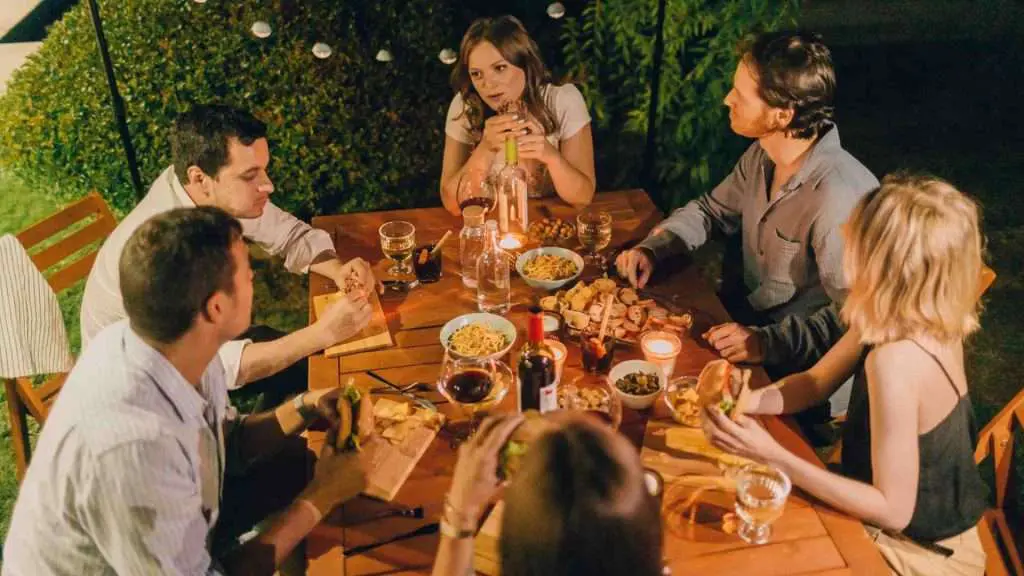
Immersion Dining Experiences
Immersion dining is about creating a multi-sensory experience where the meal is just one part of the event. This could involve themed dinners where the decor, music, and even the servers’ attire complement the cuisine or more elaborate setups that incorporate elements of theatre and performance. There are so many different themes to explore with this, which could be as simple as partnering with a local cinema or gig venue to create a perfectly matched show and menu.
Matthew Conroy foresees an array of different immersive dining experiences coming to market, as he sees this trend emerging from the US and Europe: “Family-style dining and immersion dining—combining entertainment, music, movies, and theatre—are on the rise as the next big trends.”
Immersive movie and dining experience, letting diners taste delicious foods they can see on screen.
https://www.cloudland.tv/big-band-cabaret-dinner-show
Retro, glitter and sequin-covered cabaret, accompanied with a delicious dinner. As well as dine after dark experiences and being blind folded testing your sensory delights.
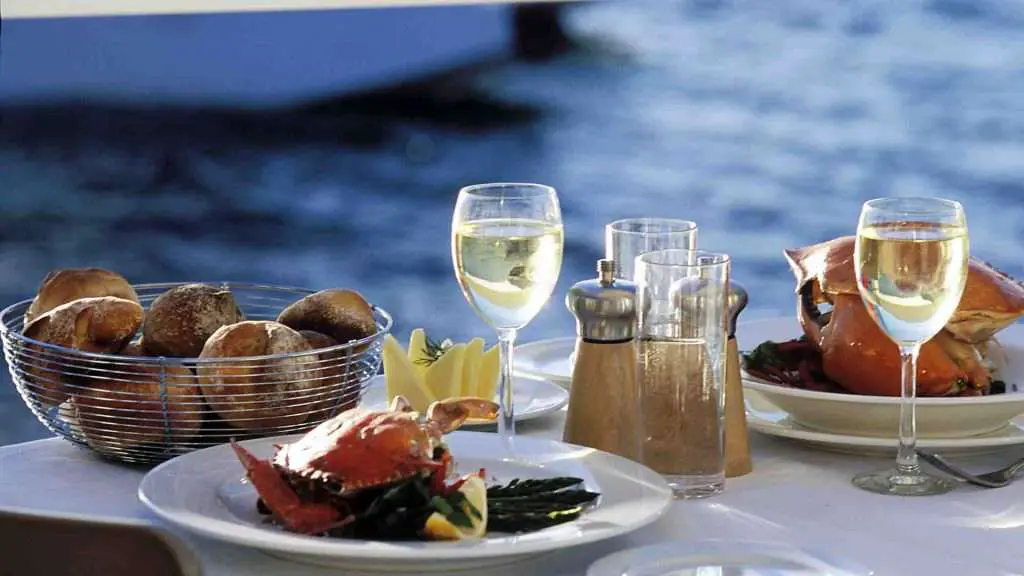
Fresh and Local Ingredients
Across all these trends, one common theme is the emphasis on fresh, local ingredients. Consumers are increasingly aware of where their food comes from and prefer dishes made with sustainable, locally sourced produce. This not only supports local farmers and reduces the environmental impact of food transportation but also ensures that the food is fresh and flavorful.
Simon Street, Group Executive Chef at Hallmark Hospitality, agrees, stating that “it’s more important than ever to look for local producers and partners to provide the best ingredients that are a great market fit”. It’s down to chefs and venue owners to work with seasonality; for instance, if a menu staple such as salmon becomes too expensive to make a profit, switch it up and reach out to local fishmongers to see what is currently abundant and equally delicious. To do this, it’s vitally important to encourage innovation in the kitchen.
A local emerging hero ingredient to keep an eye on mushrooms, Matthew Conroy agrees; “Mushrooms, in all their forms and variations, are set to be incredibly popular.” Chefs can experiment with different types of mushrooms, working with local growers to access different varieties. Paired with some of the other aforementioned food trends, there is abundant opportunity to create something new and exciting, such as mushroom stuffed baos, or southern fried style oyster mushrooms.
Along with local foods, more diners want to try local beverages. Kristie Booker, director at Imagine Collective, agrees: ” Pairing and flight menus allow diners to try food and beverage combos they would never normally try, giving them something new and exciting to experience.” This can go beyond the traditional wine and dine menu; think locally brewed beers, kombuchas, mocktails using zero percent alcohol options and an increase of gut health waters.
Conclusion
The food and beverage industry is dynamic and ever-changing, with new trends emerging regularly. From nostalgic favourites reinvented for the modern era to the rise of international cuisine and immersive dining experiences, plenty of exciting developments are on the horizon.
For industry professionals, staying ahead of these trends involves a willingness to experiment and innovate while focusing on quality and sustainability. By embracing these emerging trends, you can create unique and memorable dining experiences that keep customers returning for more.
As you plan your menus and dining concepts for the coming year, consider how to incorporate these insights into your offerings. Whether through the creative use of ingredients, the introduction of new dining formats, or a renewed focus on local sourcing, there are countless opportunities to delight and surprise your guests. The future of food is bright, and with a bit of ingenuity and foresight, you can be at the forefront of the next big culinary wave.



