
Change in the food and beverage industry is as inevitable as your Friday night specials. This fast-paced sector is constantly in motion, whether adapting to new health regulations, managing a full menu revamp, or shifting service styles. But how do you implement changes that wow your team and customers rather than wear out?
Think of change management as tweaking your signature dish. It takes the right ingredients, a well-prepared team, and plenty of taste-testing to get it just right. Today, we’re serving practical strategies to help you tackle hospitality changes without losing your flow or loyal customers.
Why Change Is Always on the Menu in Hospitality
The Australian food and beverage sector oversees innovation, but change comes with challenges. Trends shift as quickly as a barista pours latte art. New tech promises convenience but adds complexity. And external disruptions, like unpredictable lockdowns (looking at you, 2020!), remind us that adaptability is key.
For businesses, resisting change is no longer an option. Those who walk the tightrope well are not only surviving but thriving. Here are actionable strategies to guide your team through evolution while keeping operations running seamlessly.
Start with Communication
Clear communication is your best mate when navigating operational change. Imagine launching a new pizza menu without telling your kitchen staff about the sudden surge in demand for imported truffle oil—chaos!
Tips for Effective Stakeholder Communication
- Share the “Why”
Help every stakeholder—from front-of-house staff to corporate partners—understand the purpose behind the change. A new rostering system isn’t just tech for tech’s sake; it saves admin hours and prevents those dreaded scheduling clashes. - Be Honest About Challenges
Sugar-coating only sticks for so long. Be upfront about potential hiccups and explain how the team can help overcome them. - Keep It Two-Way
Actively listen to feedback. Staff opinions might uncover blind spots, while customer insights could drive more intelligent decisions. - Tailor Your Approach
The way you communicate will depend on your audience. While your head chefs may want in-depth walkthroughs, your baristas might prefer punchy messages in the staff WhatsApp group.
Practical Tools for Change Communication
- Project Management Software
Apps like Slack or Trello allow for transparent task allocation and progress tracking. - Team Meetings and Toolbox Chats
Remember to consider in-person updates before shifts or weekly check-ins. - Email Updates
Save detailed explanations for those who prefer to sit down and digest (pun intended).
Train Your Team for Flexibility
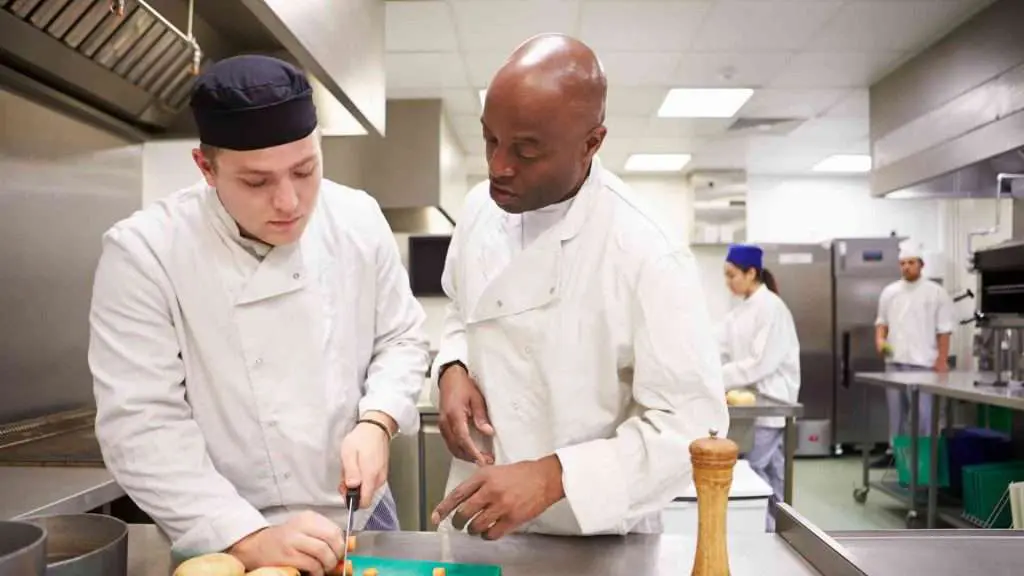
Navigating change is so much easier when your team knows how to adapt on the fly. Skills like problem-solving, role versatility, and customer communication don’t just help during transitions; they boost the whole workplace vibe.
Encouraging a Flexible Workforce
- Cross-Train Staff
Always have a backup plan—train waitstaff to assist bartenders during peak hours or teach your dish team how to run a quick counter if takeaway explodes. - Simulate Scenarios
Think of role-playing exercises at team meetings. While it might sound basic, practising problem-solving in hypotheticals (like what to do if a new POS system crashes mid-dinner service) boosts confidence and readiness. - Offer Upskilling Opportunities
Encourage staff to enrol in short courses or workshops. For example, a seminar on dealing with guest complaints can help prepare them to handle any disruptions from operational changes. - Create a Safe Environment
Remind your team that it’s okay to ask for support or clarification. People are more likely to ace the adaptation process when the pressure’s off.
Tech Training Matters
Digital transformations are increasingly becoming part of hospitality change. Whether you’re introducing contactless payments, kitchen display screens, or app-based order tracking, you must offer comprehensive training. Work with your vendors to roll out user-friendly tutorials or live product demos tailored to your team.
A Quick Example from the Industry
When a Sydney-based café chain switched to a cashless model, initial staff anxiety over unhappy customers was high. To prepare, management simulated scenarios with mock customers (i.e., a slightly offended “What do you mean I can’t pay cash?”). By gamifying the experience, team members quickly learned how to handle tricky conversations efficiently and professionally.
Keep Your Customers in the Loop
Change needs to be as seamless for your customers as for your team. Remember, regulars love consistency, especially in your service or offerings. But if adjustments are inevitable, show them you care about their experience.
Customer-Centric Transition Tips
- Preempt Missteps
Keep them informed if wait times might be temporarily higher during transitions—perhaps offer free bread rolls while they wait! - Launch Big Changes as Events
Opening a new lane for takeaway? Announce it like a grand reveal with an online campaign or launch discounts. - Collect Customer Feedback Post-Change
Use surveys or face-to-face conversations to gauge how adjustments went down. Transparent feedback processes show customers you value their input.
Planning Proactively for Future Changes
Like perfectly proofing dough, good change management is about constant care. Stay ahead by treating change as part of your hospitality DNA—not just a one-off challenge to react to.
- Conduct Change Dry Runs
Whether switching suppliers or introducing new payment systems, trial before you go live to work out the kinks. - Build Transition Checklists
Standardise steps your team can follow for changes based on past learnings. - Foster a Culture of Agility
Consistently check in with staff on their comfort levels—confident teams are more proactive when curveballs are thrown their way.
A Full Takeaway (Pun Intended!)
Managing change in the food and beverage industry without losing momentum doesn’t have to feel overwhelming. Communication, training, and thoughtful planning are the foundation of successful transitions, and celebrating stories of industry wins inspires us to tackle even bigger ventures.
But hey, if your plate’s already full (and whose isn’t in hospitality?), Imagine Collective can help. Our expert team specialises in tailoring Aussie food and beverage venue change strategies. From tech rollouts to team training systems, we can be your sous-chefs for successful change.
Reach out today to talk strategies that suit your style, and remember—a little preparation turns even the most complex shift into a celebration. After all, adapting to change should taste just as sweet as winning a pie-eating contest. 🍰



