
Seasonal products can feel like a high-stakes gamble. You invest time, money, and a whole lot of effort into a product with a limited shelf life. If you get it right, you can capture the public’s imagination, see a huge spike in sales, and win over a legion of new fans. Get it wrong, and you’re left with a warehouse SKU that is designed for Winter in the middle of summer.
The difference between a seasonal hit and a costly miss rarely comes down to luck. It comes down to a smart, well-executed strategy. From the first spark of an idea to the final sales report, a successful seasonal launch is a carefully managed process. It’s about tapping into a specific moment and giving people something they’re excited to talk about and share.
This guide will walk you through the key steps to creating a seasonal product that not only sells but also strengthens your brand. We’ll cover how to spot the right opportunities, develop an idea that stands out, and make sure your launch goes off without a hitch.
Spotting Your Seasonal Opportunity
Before you start brainstorming crazy flavour combinations, you need to understand the seasonal landscape. It’s not just about Christmas and Easter. The Australian calendar is packed with opportunities, big and small, that you can tap into.
Think beyond the obvious. Your opportunity could be a major sporting event, a change in the weather, a cultural festival, or even a trending social media moment. The key is to find a theme that feels authentic to your brand and resonates with your customers.
Start by mapping out the year. Consider these categories:
- Major Holidays: Christmas, Easter, Australia Day. These are crowded, but the sales potential is enormous.
- Seasons: Think beyond the four seasons. What about the start of the footy season? The beginning of the summer barbecue season? Winter comfort food season?
- Cultural Events: Lunar New Year, Mardi Gras, and local food and wine festivals. These allow you to connect with specific communities.
- Ingredient Seasonality: When are Australian mangoes at their peak? What about Tasmanian cherries or Queensland ginger? Building a product around a specific, high-quality seasonal ingredient tells a powerful story of freshness and local sourcing.
Once you have a list of potential moments, ask yourself: which of these feel right for us? A craft beer brand might create a special brew for the AFL Grand Final, while a health food company might launch a new smoothie bowl for the summer fitness rush. The fit needs to feel natural, not forced.
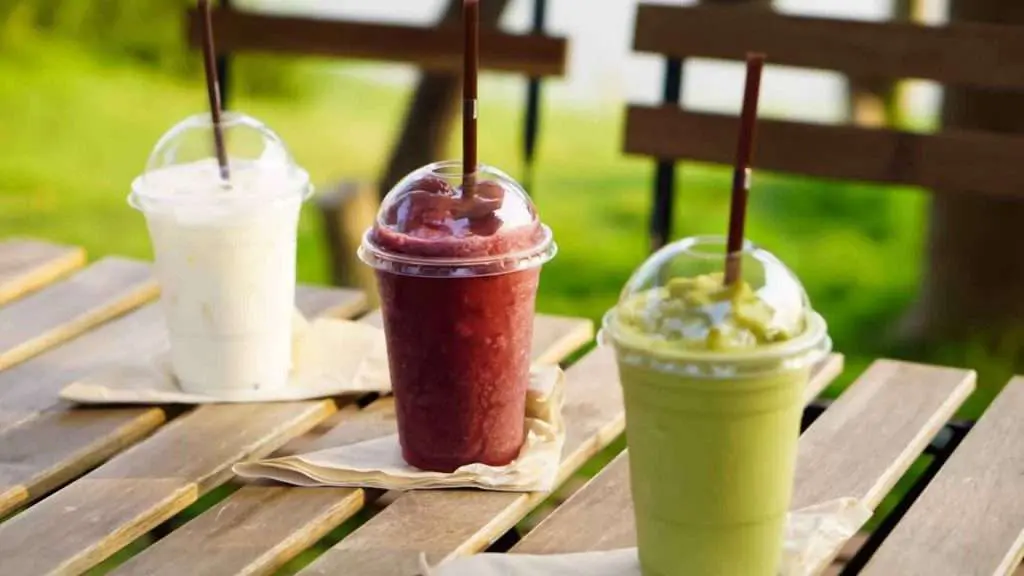
Developing a Truly Unique Product Idea
You’ve picked your moment. Now comes the fun part: deciding what to make. The goal here is to find the sweet spot between being creative and being commercially viable. A product that is too weird might not sell, but one that is too safe will get lost in the noise.
Your seasonal product should feel like a special treat. It’s a chance for customers to try something new from a brand they already trust.
Here are a few paths you can explore for product development:
- The Flavour Twist: This is the most common approach. Take your core product and give it a seasonal spin. Think a lamington doughnut for Australia Day or a hot cross bun-spiced yoghurt for Easter. It’s familiar but new.
- The Format Change: Could your product take on a new form for the season? A beverage brand could create freezable icey-poles for summer. A chocolate company could launch a DIY hot chocolate kit for winter.
- The Collaboration: Partner with another local brand to create something completely new. A coffee roaster and an ice cream maker could team up on an espresso-flavoured gelato. This approach doubles your marketing reach and adds an interesting story.
- The Premium Edition: Use the season as an excuse to launch a high-end version of your product. This could involve using ultra-premium ingredients or creating special, gift-worthy packaging. Think a single-origin chocolate bar wrapped in beautiful Christmas paper.
Involve your team and even your customers in this process. Run a poll on Instagram asking your followers what festive flavour they’d like to see next. You’ll get valuable ideas and build excitement before you’ve even made anything.
Your Go-to-Market Strategy
A great product won’t sell itself. You need a marketing plan that builds anticipation and tells a compelling story. Your launch strategy should start at least four to six weeks before the product hits the shelves.
Tease, Reveal, Launch
Don’t just drop the product unannounced. Build some suspense.
- The Tease Phase (4 weeks out): Start dropping hints on social media. Post close-up shots of a new ingredient. Share behind-the-scenes videos of your team in the kitchen. Use vague captions like “Something special is coming for summer…” to get people guessing.
- The Reveal Phase (2 weeks out): Officially announce the product. Share professional photos and videos. Tell the story behind it—why you created it, what makes it special, and where the idea came from. Update your website and send an announcement to your email list with a specific launch date.
- The Launch Phase (Go-live day): Make a big splash. Go live on social media, send out another email, and make sure the product is prominently featured on your website’s homepage. Encourage user-generated content by creating a unique hashtag and offering a prize for the best photo.
Don’t Forget Your Retail Partners
If you sell through retailers, they are your most important marketing channel. Give them plenty of notice about the new product. Provide them with high-quality images and sales sheets. You could even offer an in-store tasting or a special introductory price to get their staff excited and invested in selling your product.
Nailing the Supply Chain
This is the less glamorous but absolutely critical part of a seasonal launch. Running out of stock halfway through the season is a disaster, but so is being left with mountains of unsold product.
- Be Realistic with Your Forecast: Use data from previous launches and talk to your retailers to create a sales forecast. It’s better to be slightly conservative and sell out than to over-order massively.
- Talk to Your Suppliers Early: Does your new product require a special ingredient or unique packaging? Lock in your orders with suppliers well in advance. Seasonal demand can create bottlenecks, and you don’t want to be at the back of the queue.
- Have a Plan B: What happens if the product sells ten times faster than you expected? Do you have the ingredients and capacity to do another production run quickly? Conversely, what’s your plan if it doesn’t sell as well as hoped? Could you bundle it with another product or offer a discount towards the end of the season to clear stock? Thinking through these scenarios beforehand saves a lot of stress later.
Measuring Success and Planning for Next Time
Once the season is over, it’s time to analyse the results. This is how you turn a one-off launch into a repeatable, profitable strategy.
Go back to your data. Look at:
- Sales Volume and Velocity: How much did you sell, and how quickly? Which retailers sold the most?
- Profitability: After accounting for all the costs (ingredients, packaging, marketing), was the product profitable?
- Customer Feedback: What did people say in reviews and on social media? Did they love it? Were there any complaints?
- Marketing Performance: Which marketing channel drove the most sales? Did your email campaign work better than your social media ads?
Gather all this information into a simple report. This document will be your bible when you start planning next year’s seasonal launch. You’ll know what worked, what didn’t, and exactly how to make your next limited-edition product an even bigger success.



