
Ever run a promotion that totally flopped? You know the feeling—you come up with a great deal, put it out into the world, and then… nothing. Just crickets. It’s frustrating, and you’re left scratching your head, wondering what went wrong.
The difference between a promotion that flies and one that flops almost always comes down to one thing: planning and collaboration with the venue or another brand.
A great promotion isn’t just a discount. It’s a strategic tool that, when used correctly, can fill your tables on a quiet Tuesday, attract a whole new type of customer, or launch a new menu item with a bang. But without a clear plan, you’re just giving away margin for no good reason.
This guide is your new playbook. We’re going to walk through the essential steps of building a promotional plan from the ground up. We’ll cover everything from figuring out what you actually want to achieve to creating an offer so good your customers can’t ignore it. Let’s get started.

Step 1: Set a Crystal-Clear Goal
Before you even think about what kind of deal to offer, you need to answer a simple question: “What am I trying to achieve?” A promotion without a goal is like a ship without a rudder. You’ll be busy, but you won’t get anywhere meaningful.
Your goal will shape every other decision you make, so it needs to be specific. “I want more customers” is not a goal; it’s a wish.
Here are some specific goals you might set for your venue:
- Increase mid-week revenue: “I want to increase our Tuesday and Wednesday night sales by 15% over the next month.”
- Boost quiet period traffic: “I want to fill 20 extra seats between 3 pm and 5 pm every weekday.”
- Grow your customer database: “I want to add 200 new emails to our mailing list before summer.”
- Launch a new product: “I want to sell 100 units of our new signature cocktail in its first two weeks.”
- Increase customer loyalty: “I want to encourage 25% of our first-time visitors in June to return in July.”
Once you have a specific, measurable goal, you have a target to aim for. It gives your promotion purpose and allows you to know, without a doubt, whether it was successful.
Step 2: Know Who You’re Talking To
Now that you know your goal, who do you need to reach to achieve it? A promotion designed to attract university students for a cheap weeknight feed will look very different to one aimed at corporate clients for high-end functions.
Think about your ideal customer for this specific promotion. Get into their heads and ask:
- What do they value? Are they looking for a bargain, a unique experience, convenience, or a family-friendly option?
- When are they most likely to visit? Are they after-work drinkers, weekend brunchers, or weekday lunch regulars?
- Where do they hang out online? Are they scrolling Instagram, active in local Facebook groups, or searching on Google?
Let’s say your goal is to boost mid-week dinner sales. Your target audience might be local couples and families who are too tired to cook. They value convenience and a good deal. Your promotion should speak directly to that need. A “Mid-Week Family Feast” bundle or a “Two for One Mains on Tuesdays” or kids under 8 eat free offer would likely hit the mark.
Step 3: Craft a Compelling Offer
This is where creativity comes in. Your offer is the hook that grabs your audience’s attention. It needs to be simple to understand, genuinely valuable, and easy for your team to execute.
Forget complex terms and conditions. The best offers are straightforward.
Here are a few popular types of offers to get you thinking:
- Discounts: The classic. This could be a percentage off (20% off the total bill), a dollar amount off $10 off when you spend $50), or a fixed-price deal (Pizza and a Pint for £15).
- Bundles: Combine items to create a high-value package. Think “Burger, Chips, and a Beer” or a “Date Night Deal” with two mains, two drinks, and a shared dessert for a set price. This is great for increasing average spend per customer.
- Added Value: Instead of a discount, give something extra. “Buy two main courses, get a free bottle of house wine”, or “Free kids’ dessert with every main meal purchased.” This often feels more like a gift than a discount.
- Loyalty-Based Offers: Reward your regulars. “Show this email for a free coffee with your breakfast” or a “Members Only” happy hour. This makes your existing customers feel special and keeps them coming back.
Whatever you choose, make sure the numbers work. Model the promotion to see how it will affect your profit margin. A successful promotion isn’t just about getting people in; it’s about doing so profitably.
Step 4: Spread the Word Through the Right Channels
A brilliant promotion is useless if no one knows about it. You need to get the word out, and that means using a mix of marketing channels.
Your Own Four Walls are Your Best Billboard
Start with the people who are already in your venue. They already like you, so they’re the easiest group to convert.
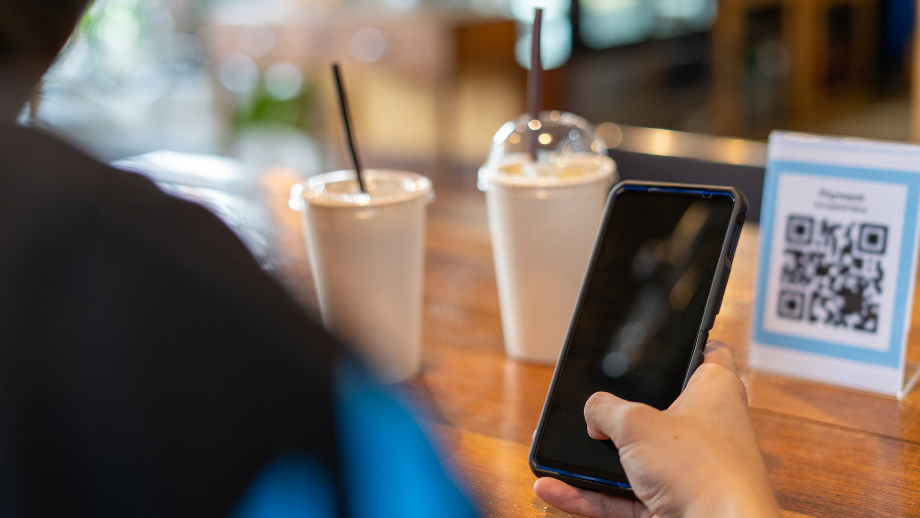
- Table Talkers & Posters and or ordering QR app: Simple, effective, and cheap. Put your offer right in front of people while they are eating and drinking.
- Your Team: Train your staff to mention the promotion. A simple, “Just so you know, we have a great steak night deal every Thursday”, can work wonders.
Digital Marketing is Essential
To reach new customers, you need to go online.
- Social Media: Ideal for visual promotions! Share mouthwatering photos or videos of your offer on Instagram and Facebook. Host a special event and create an event page to generate buzz. Run targeted ads through Meta, reaching people within a 10-kilometer radius of your venue for maximum impact.
- Email Marketing: Your email list is a goldmine. These are people who have already given you permission to contact them. Send out an email blast with a clear call to action, like “Book Your Table Now.”
- Your Website: Put a banner on your homepage announcing the promotion. Make sure all the details are clear and easy to find.
Choose the channels where your target audience is most active. If you’re targeting a younger crowd, Instagram is a must. For corporate clients, LinkedIn or direct email might be more effective.
Step 5: Measure, Learn, and Repeat
Once the promotion is over, your work isn’t done. Now it’s time to figure out if you hit the goal you set back in Step 1. This is the most-skipped step, but it’s arguably the most important.
Look at the data. Your POS system is your best friend here.
- Did you hit your sales target? Compare your sales during the promotional period to a similar period without the promotion.
- How many times was the offer redeemed? This tells you how popular it was.
- What was the average spend of customers who used the offer? Did they just buy the deal, or did they spend money on other items too?
Don’t forget to chat with your team too. They’re directly interacting with customers. Find out what people were saying. Was the offer easy to understand? Did anyone have problems?
When you track your results, every promotion becomes a chance to learn. You’ll figure out what your customers like, which offers make the most money, and how to make your next promotion even better. This planned approach takes the guesswork out of promotions, replacing it with a smart strategy that brings real, measurable success to your business.



