
This article delves into the intricate laws and regulations that shape Australian food, from farm to fork. It explores the complexities of food safety, labelling, and import standards, highlighting the roles of FSANZ and local councils. Through an in-depth examination, readers will gain insights into what is allowed on Aussie plates and the stringent measures ensuring food quality and safety.
Introduction
Australia boasts a robust framework of food regulations and laws designed to ensure the safety and accurate labelling of domestically produced and imported foods. Food Standards Australia New Zealand (FSANZ) is the primary authority overseeing food regulation. FSANZ develops and manages the Australia New Zealand Food Standards Code, which sets out requirements for hygiene, labelling, food additives, maximum residue limits, and more. Food legislation in Australia and New Zealand legally enforces the Food Standards Code.
At the federal level, the Food Standards Australia New Zealand Act 1991 governs FSANZ’s operations. Additionally, each Australian state and territory has its food act that adopts and enforces the Food Standards Code. State and territory departments and local councils conduct inspections, food safety audits, and enforcement.
The Australian food industry also adheres to voluntary codes of practice for food safety and manufacturing. This overview highlights the key organisations, regulations, legislation, and practices that help ensure the availability of safe, suitable, and honestly labelled food products in Australia.

Food Standards Australia New Zealand
Food Standards Australia New Zealand (FSANZ) is the statutory authority responsible for developing and managing the Australia New Zealand Food Standards Code (the Code). This Code outlines requirements for various food aspects such as additives, food safety, labelling, and genetically modified foods. Established under the Food Standards Australia New Zealand Act 1991, FSANZ operates as an independent statutory agency with key responsibilities that include:
- Developing standards regulating ingredients, processing aids, colourings, additives, vitamins, and minerals.
- Setting standards for food safety management and hygiene.
- Establish labelling requirements for packaged and unpackaged food, including nutrition information panels and health claims.
- Assessing proposals to modify food standards, such as introducing new foods, raw materials, processing aids, or technologies.
- Providing evidence-based scientific advice to Australian, state, and territory governments and New Zealand on food standards issues.
- Supporting a transparent and open process for developing or varying standards.
- Researching to inform standards development and the regulatory framework.
- Promoting harmonisation between domestic and international food standards.
FSANZ develops and enforces the standards that underpin Australia’s and New Zealand’s joint food regulatory system. Its mission is to protect public health and safety while fostering an efficient food industry.
Key Regulations
The principal food regulation in Australia is the Food Standards Code, developed and administered by FSANZ. The Code outlines standards related to:
- Food safety, hygiene, and handling
- Food additives and processing aids
- Food composition, labelling, and packaging
- Contaminants and residues
The Food Standards Code ensures that food sold in Australia is safe and suitable for consumption. It contains legally enforceable standards for various foods, including dairy, seafood, meat, eggs, cereals, and beverages. These standards cover microbiological limits, chemical residues, contaminants, and food composition. All sectors of the food industry, from primary production through manufacturing and retail, must comply with the standards in the Code. The Code is legally enforced through its adoption into state and territory food legislation, meaning food businesses that breach a standard can face enforcement action.
The Code also includes detailed standards for food labels, specifying requirements for nutrition information panels, ingredient lists, allergen declarations, legibility, and more. These labelling standards ensure that consumers can make informed choices.
FSANZ regularly reviews and updates the Food Standards Code to reflect the latest science, technology, and safety risks. Amendments to the Code undergo a thorough proposal, public consultation, assessment, and approval process before implementation, ensuring standards remain robust, practical, and appropriate.
Food Labelling
Food labelling in Australia is regulated by Food Standards Australia New Zealand (FSANZ). Before foods can be sold in Australia, several mandatory labelling requirements must be met. Key requirements include:
- Name of the food – The label must display the prescribed name of the food or a name that accurately describes its nature. Brand names alone are insufficient.
- Ingredients list – A complete list of ingredients must be provided in descending order by weight, enabling consumers to identify potential allergens.
- Date marking – Foods must be labelled with a ‘best before’ or ‘use by’ date to indicate freshness. ‘Use by’ dates are used for highly perishable items.
- Nutrition information panel—Most packaged foods require a nutrition panel listing the nutrient content per serving and 100g. This includes calories, protein, fat, carbohydrates, fibre, and sodium.
- Allergen declarations—Labels must identify major food allergens, such as peanuts, shellfish, milk, eggs, or gluten, with allergens emphasised (e.g., in bold).
- Country of origin – Packaged foods must clearly state where the product was made or produced, allowing consumers to make informed choices.
- Legibility requirements—Labels must be legible and prominent, adhere to minimum font sizes, and be free from false or misleading information.
By adhering to these key labelling requirements, manufacturers help consumers make safe and informed decisions about their food purchases. FSANZ regularly reviews labelling laws to ensure they meet community needs.
Food Safety
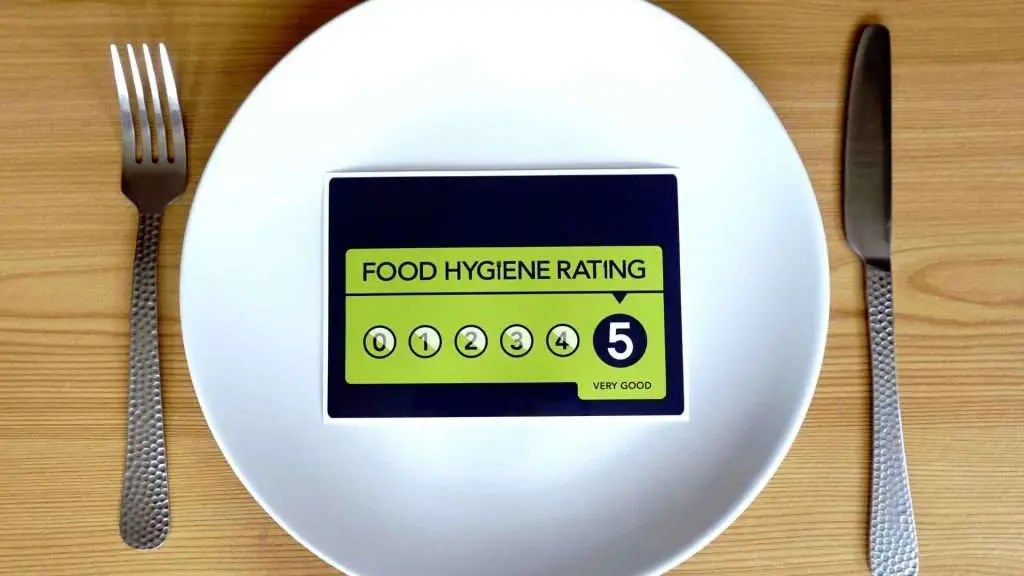
In Australia, food safety is paramount. Stringent regulations govern safe food handling and storage throughout every stage of food production and sale. Food businesses must implement documented food safety programs that identify potential hazards and establish controls to manage risks. Based on HACCP principles, these programs encompass all aspects of food management, including suppliers, receiving, storage, preparation, display, and transportation.
Food handlers receive comprehensive training in safe food practices and must uphold high standards of personal hygiene. This entails regular handwashing, using gloves and hair restraints, preventing cross-contamination, temperature monitoring, and thorough cleaning and sanitising. Pest control and overall facility maintenance are critical components of these practices.
Food premises and equipment must be designed, constructed, and maintained to facilitate proper hygiene. Essential features include adequate ventilation, pest-proofing, and smooth, impervious surfaces that are easy to clean. Temperature control is rigorously enforced across various processes such as cooking, hot holding, cooling, cold storage, freezing, thawing, and transport. Adherence to expiry dates, regular stock rotation, and the first-in-first-out method are mandatory.
The overarching goal is to identify and mitigate food safety hazards, ensuring that food sold in Australia is safe for consumption. A robust framework of regulations, training, auditing, and enforcement works in unison to maintain high food safety standards across the industry.
Conclusion
The framework established by Food Standards Australia New Zealand (FSANZ) is a dynamic foundation for ensuring food safety and quality across Australia and New Zealand. By integrating modern scientific principles into the Food Standards Code, FSANZ not only upholds stringent safety regulations but also fosters innovation within the food industry, paving the way for new products and practices that meet contemporary consumer needs. This proactive approach to food labelling and safety standards empowers consumers, providing them with the tools to make informed dietary choices. FSANZ remains dedicated to revisiting and refining its regulations as the food production and consumption landscape evolves, ensuring a responsive, robust, and future-ready system.
Key Takeaways for FMCG Food and Beverage Brands
- Compliance is Crucial: Aligning with the Food Standards Code is non-negotiable. Brands must ensure their products meet all mandatory labelling and safety requirements to avoid legal consequences and maintain consumer trust.
- Transparency through Labelling: Emphasising clear and informative labels can significantly enhance consumer confidence. Brands should focus on presenting accurate ingredient lists, nutrition panels, and allergen information to help consumers make informed choices.
- Stay ahead with Innovation: Review and adapt regularly to updates in food safety regulations and scientific advancements. Embracing innovation improves product quality and positions brands as leaders in the ever-evolving FMCG landscape.
- Engage in Consumer Education: Leverage labelling to educate consumers about product benefits and safe consumption practices. Engaging narratives can foster brand loyalty and encourage repeat purchases.
- Prioritise Food Safety Practices: Implementing robust food safety management systems aligned with HACCP principles is essential. A commitment to quality assurance reassures consumers that your products are safe and wholesome.
- Design for Cleanliness and Functionality: Ensuring that facilities and equipment are designed for optimum hygiene will streamline operations and uphold product integrity, further elevating brand credibility.
- Monitor Trends and Feedback: Actively seek consumer feedback and stay alert to market trends. This insight can drive product innovation and reinforce brand relevance in a competitive market.
By focusing on these key areas, food and beverage brands can comply with regulations and cultivate a robust brand identity that resonates with consumers.



