
In the contemporary food and beverage landscape, staying ahead of trends is essential for establishments aiming to captivate a health-conscious and discerning clientele. This article explores specific foods gaining popularity, delving into their benefits and potential menu applications. Let’s start with a particularly trendy ingredient: mushrooms.

Mushrooms
Overview
Mushrooms are experiencing a renaissance in the culinary world. They are cherished not only for their unique flavours and textures but also for their significant health benefits. This versatile ingredient encompasses shiitake, maitake, and reishi, each offering distinct taste profiles and nutritional properties.
Benefits
Mushrooms are nutrient-dense, providing essential vitamins like B-complex and vitamin D and minerals like selenium and copper. Thanks to their rich beta-glucan content, they are also known for their immune-boosting benefits. Additionally, certain types of mushrooms exhibit adaptogenic properties, helping the body manage stress more effectively.
Customer Appeal
Health-conscious foodies, vegetarians, vegans, and those seeking superfoods to enhance their diet are particularly inclined towards mushroom-based dishes. Their low-calorie yet high-nutrient composition makes them a favourite among weight-watchers and those seeking functional foods.
Menu Items and Recipes
- Shiitake Mushroom Ramen: Infuse your menu with rich and earthy shiitake mushroom ramen. Simmer shiitake mushrooms in a miso broth, add ramen noodles and tofu, and finish with a drizzle of sesame oil for a hearty meal.
- Maitake Mushroom Risotto: This creamy risotto features maitake mushrooms sautéed in garlic and shallots, blended with Arborio rice, and finished with a touch of truffle oil.
- Reishi Mushroom Tea: Enhance your beverage menu with a soothing reishi mushroom tea, known for its calming properties and ability to support the immune system.
Seaweed
Overview
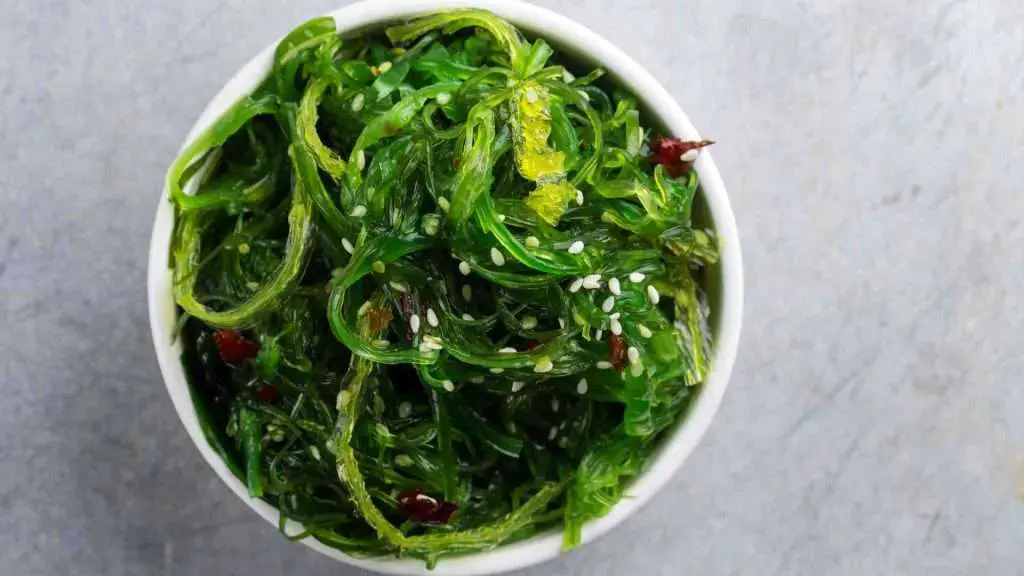
Seaweed is making waves in the culinary scene, celebrated for its nutritional richness and sustainability. Available in varieties such as nori, dulse, and wakame, seaweed introduces unique umami flavours and textures, enhancing dishes’ taste and visual appeal.
Benefits
Packed with essential nutrients, seaweed is a powerhouse of vitamins A, C, E, K, and B-complex, along with minerals like iodine, calcium, and magnesium. Additionally, seaweed is a fantastic source of antioxidants and fibre, contributing to improved digestion and a boosted immune system.
Customer Appeal
Seaweed’s appeal stretches beyond its nutritional value; it’s also revered for its low-calorie content and role in sustainable eating. Seafood enthusiasts, vegans, vegetarians, and those inclined towards environmentally-friendly food options are especially drawn to seaweed. Its ability to be seamlessly incorporated into various dishes makes it a versatile ingredient that caters to diverse palates.
Menu Items and Recipes
- Nori-Wrapped Sushi Rolls: Reimagine sushi with fresh, crisp nori sheets. These sheets envelop delicate slices of fish, avocado, cucumber, and seasoned rice, offering a perfect balance of flavours and textures.
- Seaweed Salad with Sesame Dressing: Delight your customers with a refreshing seaweed salad, featuring a mix of wakame and other seaweed varieties, garnished with sesame seeds and a tangy sesame-soy dressing.
- Dulse Seaweed Crackers: Innovate your snacks menu by introducing dulse seaweed crackers. These crunchy, nutrient-dense snacks are perfect for pairing with dips or enjoying themselves.
By incorporating seaweed into your menu, you provide health-conscious and eco-aware consumers with appetising, nutrient-packed choices, aligning with contemporary food trends while promoting sustainability.

Fermented Goods
Overview
Fermented foods are transcending their traditional roots and becoming modern culinary staples, valued for their complex flavours and notable health benefits. The fermentation process enhances the taste and nutritional profile of ingredients, yielding products such as sauerkraut, kimchi, and miso that are rich in probiotics and other beneficial compounds.
Benefits
Fermented goods are celebrated for their gut health advantages due to the presence of live beneficial bacteria. These probiotics support a balanced gut microbiome, aiding digestion and strengthening the immune system. Additionally, fermentation can enhance the bioavailability of nutrients, making them more easily absorbed by the body. Fermented foods are also known for their potential to improve mental health, reduce inflammation, and provide antioxidants.
Customer Appeal
Today’s consumers are increasingly drawn to fermented goods for their health benefits and unique, tangy flavours. Health enthusiasts, those exploring multicultural cuisines, and individuals aiming for a holistic approach to wellbeing are particularly enamored by fermented foods. Their artisanal and often handcrafted nature also resonates with millennials and Gen Z, who are looking for authenticity and quality in their dietary choices.
Menu Items and Recipes
- Kimchi Fried Rice: Elevate your menu with a vibrant dish of kimchi fried rice. Stir-fry rice with spicy kimchi, garlic, onions, and a touch of sesame oil, topped with a sunny-side-up egg for added richness.
- Miso-Glazed Eggplant: For a standout item, offer savoury miso-glazed eggplant. Grill eggplant halves and brush them with a sweet, umami-packed miso glaze garnished with sesame seeds and chopped spring onions.
- Sauerkraut and Avocado Toast: Reinvent the classic avocado toast by adding a layer of tangy sauerkraut. The combination of creamy avocado and zesty sauerkraut on wholegrain bread makes for a refreshing and nutritious breakfast option.
Incorporating fermented goods into your menu enhances the flavour complexity of your dishes and appeals to the health-conscious clientele seeking nutrient-dense, probiotic-rich options. As fermented foods continue to gain traction, embracing these trends positions your establishment at the forefront of the modern food movement.

Tapas Style Dining
Overview
Tapas-style dining, rooted in Spanish culinary traditions, celebrates small, flavourful dishes meant to be shared among friends and family. This style embraces variety and creativity, offering a diverse selection of bites that range from simple, rustic fares to complex gourmet creations. The emphasis is on social dining, where food becomes the centrepiece for conversation and connection.
Benefits
Tapas-style dining encourages a communal eating experience, fostering a lively and engaging atmosphere. It allows diners to sample numerous dishes in one meal, promoting variety and exploring different flavours and textures. Additionally, the smaller portions contribute to a more mindful eating approach, reducing food waste and enabling a balanced, nutrient-rich meal with diverse components.
Customer Appeal
Tapas appeal to diverse customers, including food enthusiasts eager to explore different flavours and culinary techniques in a single meal. It particularly attracts those seeking a social and interactive dining experience. Tapas-style dining also aligns with the trend of experiential eating, where the ambience and presentation of food play a crucial role in the overall dining experience.
Menu Items and Recipes
- Patatas Bravas: Serve this iconic Spanish tapa featuring crispy fried potatoes topped with a spicy brava sauce and a dollop of garlic aioli, offering a perfect balance of heat and creaminess.
- Gambas al Ajillo: Delight customers with succulent shrimp sautéed in sizzling garlic and chilli oil, served with crusty bread to soak up the flavourful sauce.
- Spanish Tortilla: Offer a classic Spanish tortilla and a savoury omelette filled with thinly sliced potatoes and onions, cooked to a golden brown and served in small wedges.

Farm-to-Table Local Foods
Overview
The farm-to-table movement emphasises the importance of sourcing ingredients directly from local farms, ensuring fresh, seasonal, and sustainably produced food. This approach not only supports local agriculture but also nurtures a connection between diners and the origins of their food. It fosters an appreciation for the natural growth and harvest cycles, resulting in a more authentic and enriching culinary experience.
Benefits
Farm-to-table dining offers outstanding freshness and quality, as ingredients are used shortly after being harvested. This practice supports local economies, reduces carbon footprints associated with long-distance food transportation, and promotes sustainable farming methods. Farm-to-table menus are also inherently seasonal, offering a diverse and ever-changing array of dishes that celebrate the best of what local farms offer.
Customer Appeal
Customers are increasingly drawn to farm-to-table dining for its transparency, sustainability, and unmatched flavour. Health-conscious diners appreciate the purity and nutritional density of locally sourced, organic ingredients. Moreover, the narrative of supporting local farmers and ethical consumption resonates strongly with today’s socially aware consumers.
Menu Items and Recipes
- Seasonal Harvest Salad: This vibrant salad features freshly picked greens, heirloom tomatoes, radishes, and seasonal fruits, dressed with a light vinaigrette made from locally sourced honey and herbs.
- Herb-Crusted Local Lamb: Serve succulent lamb sourced from nearby pastures, crusted with fresh garden herbs, and served with a side of roasted root vegetables.
Artisanal Cheese Board: Present an artisanal cheese board showcasing a selection of handcrafted cheeses from local dairies, accompanied by house-made preserves and freshly baked bread.

Endemic and Native Foods to Australia
Overview
Incorporating endemic and native foods into your menu introduces unique and exciting flavours and honours Australia’s rich culinary heritage. These ingredients, used for centuries by Indigenous Australians, offer a taste of the land’s natural bounty and reflect sustainable harvesting practices. Examples include bush tomatoes, wattleseed, finger limes, and the increasingly popular quandong.
Benefits
Utilising endemic and native foods can profoundly enrich your culinary offerings. These ingredients are packed with nutrients, providing health benefits that resonate with today’s wellness-focused diners. Moreover, sourcing local native ingredients contributes to biodiversity and supports indigenous communities that harvest and cultivate these traditional foods. This commitment to authenticity and sustainability underscores a restaurant’s dedication to environmental responsibility and cultural respect.
Customer Appeal
Modern diners are increasingly adventurous, seeking global culinary experiences incorporating local authenticity. Including native Australian foods in your menu can set your establishment apart, appealing to food enthusiasts who crave unique tastes and cultural narratives. This approach also attracts eco-conscious consumers who value sustainability and ethical sourcing. By celebrating native ingredients, your restaurant can offer a memorable dining experience that educates and delights.
Menu Items and Recipes
- Saltbush-Crusted Kangaroo: Elevate your main courses with kangaroo loin crusted in saltbush, served with roasted macadamia nuts and bunya salad.
- Bush Tomato Relish on Barramundi: Delight your guests with grilled barramundi topped with a tangy bush tomato relish, complemented by lemon myrtle-infused wild rice.
- Wattleseed Pavlova: Reinvent the classic Australian pavlova with a twist by adding wattleseed to the meringue, garnished with fresh native finger limes and quandong compote.
By integrating endemic and native foods into your menu, you not only offer a distinctive flavour experience but also pay homage to the extraordinary diversity of Australia’s natural larder. This approach resonates with a growing movement towards authenticity and sustainability in modern dining.
Conclusion
This innovative approach aligns with the modern consumer’s appreciation for design, health, and taste and ensures that Australia’s beverage industry stays ahead of global trends. Embracing fermented favourites like kombucha and kefir, exploring the potential of prebiotic sodas, and utilising the natural benefits of herbal ingredients, beverage creators are well-positioned to meet the increasing demand for wellness-promoting drinks. The shift towards gut health in beverages reflects the broader trend of mindful consumption gaining momentum in Australia.



