
In an era where diners are increasingly conscious about the origins of their food, the farm-to-table movement has gained significant traction. This approach, beyond being a trend, offers numerous benefits for your venue. It emphasises sourcing ingredients locally, ensuring freshness, sustainability, and transparency in the food supply chain. This article will take you from the farm to your table, showcasing how local goods are sourced and integrated into your menu. We’ll highlight the importance of building a transparent supply chain, educating customers about the origins of their food, and the benefits of farm-to-table practices for your venue’s reputation. Additionally, we’ll discuss the integral role of a Food and Beverage Consultant in facilitating this process, particularly when it comes to sourcing Fast-Moving Consumer Goods (FMCG) products.
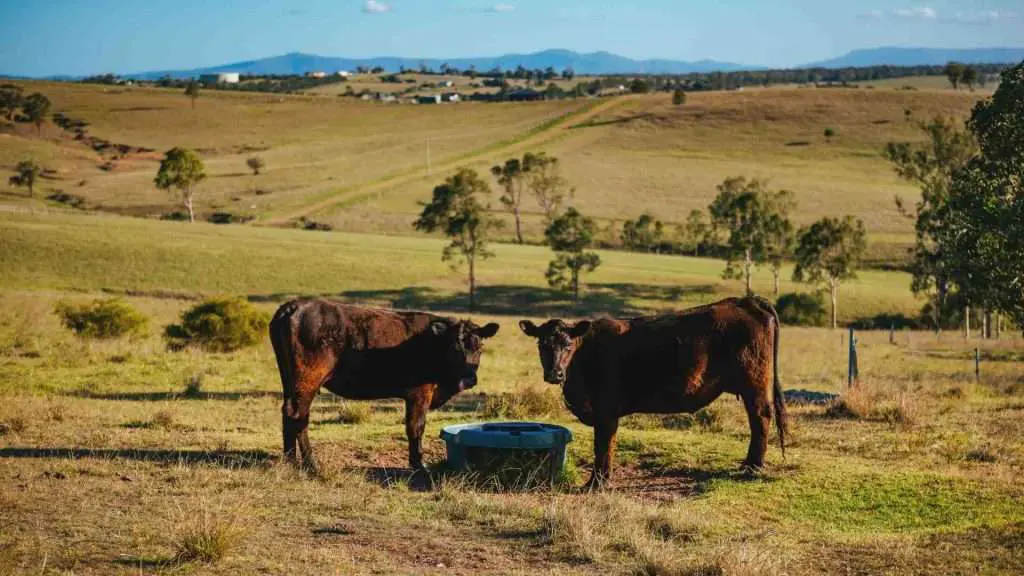
The Sourcing Journey: From Farms to Kitchens
Step 1: Identifying Local Producers
The journey begins with identifying and selecting local producers who align with your values and quality standards. This is where a Food and Beverage Consultant becomes invaluable. They can play a crucial role by leveraging their extensive network of trusted suppliers. They can introduce you to farmers and FMCG manufacturers known for their high-quality products and sustainable practices.
Step 2: Building Relationships
Developing strong relationships with local producers is essential. This involves regular communication, site visits, and understanding their farming practices and production methods. These relationships foster trust and ensure that you consistently receive the best ingredients for your menu.
Step 3: Sourcing and Logistics
Once relationships are established, the next step is coordinating the sourcing and logistics. A Food and Beverage Consultant can streamline this process, ensuring that fresh produce and FMCG products are delivered efficiently and reliably. Their expertise in logistics helps minimise delays and maintains the integrity of the products during transportation.
Step 4: Integration into the Menu
With the ingredients in hand, the focus shifts to integrating them into your menu. This involves developing recipes highlighting the freshness and quality of the local produce while maintaining the consistency and appeal of your offerings. Creative use of seasonal ingredients can enhance your menu’s diversity and attract discerning diners.
Step 5: Continuous Feedback Loop
Maintaining a continuous feedback loop with your suppliers is vital. Regularly assess the quality of the ingredients and provide feedback to the producers. This helps in addressing any issues promptly and ensures ongoing improvement in the products you receive.

Building a Transparent Supply Chain
Importance of Transparency
Transparency in the supply chain is a cornerstone of the farm-to-table philosophy. By openly sharing information about where and how your ingredients are sourced, you empower your customers to make informed choices. This transparency builds customer trust and differentiates your venue in a competitive market.
Tools for Transparency
Utilises tools such as traceability systems, certification labels, and detailed product information to enhance transparency. Digital platforms can also be employed to track the journey of ingredients from farm to kitchen, providing real-time updates and verifiable data.
Collaborating with Producers
Work closely with your producers to document and share their farming practices, certifications, and sustainability efforts. This collaboration ensures that the information you provide your customers is accurate and comprehensive.
Educating Customers About the Origins of Their Food
Storytelling
One of the most effective ways to educate customers about the origins of their food is through storytelling. Share the journeys of your ingredients, from the fields where they are grown to the dishes served at your table. Highlight the farmers’ dedication and the sustainable practices they employ.
Visual Content
Use visual content such as photos and videos to bring these stories to life. Feature behind-the-scenes footage of farm visits, producer interviews, and dish preparation in your kitchen. This content can be shared on your website, social media, and in-venue displays.
Menu Descriptions
Include detailed descriptions on your menu highlighting the local origins of key ingredients. Use symbols or labels to indicate which items are sourced locally and provide brief notes about the farms or producers.
Interactive Experiences
Create interactive experiences such as farm tours, meet-the-farmer events, and cooking classes that feature local ingredients. These events offer customers firsthand insights into the sourcing process and deepen their connection to your venue.
Benefits of Farm-to-Table Practices for Your Venue’s Reputation
Enhancing Brand Image
Farm-to-table practices enhance your venue’s brand image by associating it with quality, sustainability, and community support. Customers increasingly seek out dining experiences that align with their values, and a commitment to local sourcing can set your venue apart.
Building Customer Loyalty
Customers appreciate knowing their food is fresh, sustainably sourced, and supporting local producers. This transparency and dedication to quality can build strong customer loyalty, encouraging repeat visits and positive word-of-mouth referrals.
Supporting Local Economy
By sourcing locally, you not only contribute to the local economy but also foster a sense of community and support for small-scale farmers and producers. This connection resonates with customers who value community-oriented businesses, further strengthening your venue’s reputation.
Differentiation in a Competitive Market
Farm-to-table practices can serve as a key differentiator in a crowded and competitive market. By emphasising your commitment to local sourcing, you create a unique selling proposition that attracts conscious consumers and food enthusiasts.
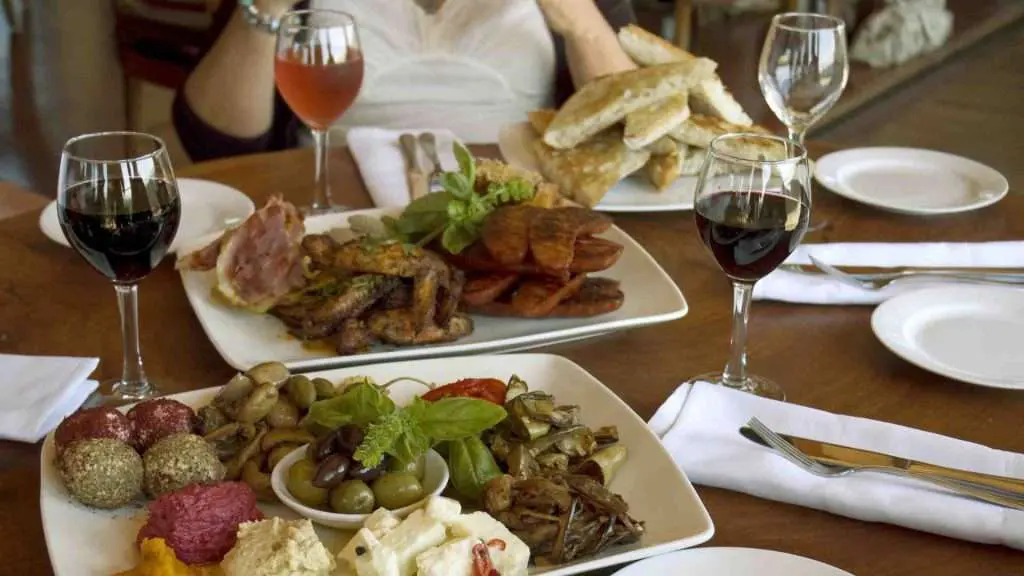
The Role of FMCG Products in Farm-to-Table Practices
Fast-Moving Consumer Goods (FMCG) products are essential to the farm-to-table approach, providing consistency and variety. Here’s how they integrate into the farm-to-table model:
Local FMCG Sourcing
Sourcing FMCG products locally supports the same sustainability principles and community support as fresh produce. Local FMCG producers often prioritise quality and transparency, ensuring you receive products that align with your values.
Consistency and Reliability
Local FMCG suppliers provide consistent and reliable products, which is essential for maintaining the quality and continuity of your menu. A Food and Beverage Consultant can facilitate these partnerships, ensuring timely deliveries and dependable supply chains.
Unique Offerings
Local FMCG products often include artisanal and specialty items that add a unique and exciting touch to your menu. From craft beverages to gourmet condiments, these products can enhance your offerings and provide distinctive flavours that pique the interest of discerning diners, setting your venue apart.
Strong Supplier Relationships
Working closely with local FMCG suppliers, facilitated by a Food and Beverage Consultant, can lead to collaborative opportunities such as co-branded products and exclusive deals. These partnerships support your farm-to-table narrative and strengthen your supply chain.
How a Food and Beverage Broker Can Support Your Venue
A Food and Beverage Consultant is an essential ally in the farm-to-table journey. Here’s how they can support your venue:
Access to High-Quality Ingredients
Food Consultants have established networks of trusted suppliers, both fresh produce and FMCG products. They can introduce you to reputable local producers and ensure access to high-quality ingredients that meet your standards.
Cost-Effective Solutions
Consultants can negotiate better prices and terms, helping you manage costs without compromising quality. This financial efficiency is particularly valuable when sourcing fresh ingredients and FMCG products.
Consistent Supply Chains
Food Consultants ensure a reliable supply of ingredients, preventing disruptions that could affect your menu. Their logistical expertise means you can count on timely deliveries and consistent product availability.
Expert Guidance
They offer valuable insights into market trends, seasonal availability, and emerging products. This guidance can inform your menu development process, ensuring it aligns with current culinary trends and customer preferences.
Simplified Sourcing Process
By handling the complexities of sourcing, a consultant can free up your time to focus on creativity and execution. This support streamlines your operations and enhances your ability to deliver exceptional dining experiences.
Conclusion
The journey from farm to table is a testament to the dedication, transparency, and quality that underpin the farm-to-table movement. By sourcing ingredients locally and integrating them into your menu, you enhance your offerings, build a transparent supply chain, and educate customers about the origins of their food. A Food and Beverage Consultant is an invaluable partner in this process, providing access to high-quality fresh produce and FMCG products, negotiating cost-effective solutions, and ensuring consistent supply chains.
By embracing farm-to-table practices and leveraging the expertise of a Food and Beverage Consultant, you can elevate your venue’s reputation, attract loyal customers, and contribute to a more sustainable and vibrant food community. In doing so, you not only enhance the dining experience but also positively impact the local economy and environment.



