
Overview
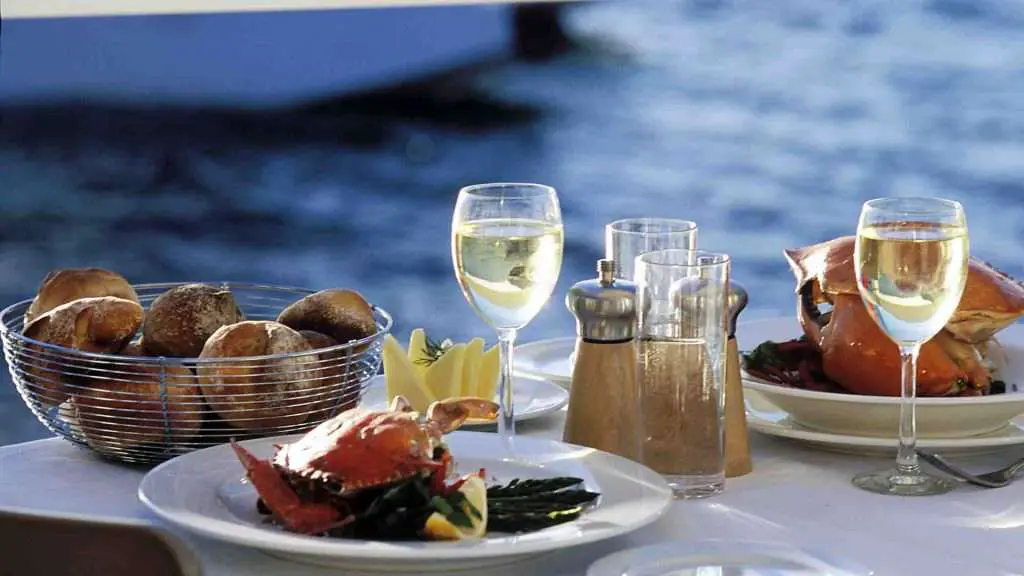
The art of pairing food and beverages has evolved into a compelling trend among culinary enthusiasts and restaurateurs. This modern approach to dining amplifies flavours, enhances the dining experience, and showcases the creativity and expertise of chefs and sommeliers. Food and beverage pairing menus serve as a narrative, guiding diners through a curated journey of taste and appreciation, making each meal an unforgettable event.
Benefits
Creating a pairing menu involves meticulous attention to flavour profiles, textures, and aromas, ensuring a harmonious balance between each dish and its accompanying drink. This process elevates the dining experience and allows for innovative experimentation with ingredients and culinary techniques. For example, a farm-to-table restaurant might pair a Seasonal Harvest Salad with a crisp, locally brewed cider, highlighting the freshness of the produce while adding a refreshing counterpoint to the salad’s vibrant flavours.
Endemic and native food pairings can open doors to unique gustatory adventures. Imagine a Saltbush-Crusted Kangaroo complemented by a robust Australian Shiraz or a Wattleseed Pavlova paired with a delicate, native botanical-infused gin cocktail. These combinations can elevate the food and the beverage, creating a synergy that delights the palate and distinguishes the dining experience.
Customer Appeal
Modern diners are not just eating; they seek experiences that tantalise their senses and tell stories. Food and beverage pairing menus cater to this desire, offering more than just a meal but an exploratory adventure. The transparency of sourcing from local farms or the use of native ingredients, as seen in the farm-to-table movement, builds trust and authenticity, enhancing customer loyalty and satisfaction.
Moreover, these pairing menus resonate with eco-conscious and health-focused patrons who value sustainability, nutritional density, and ethical consumption. By designing menus that reflect current trends and regional specialties, establishments appeal to a broader array of discerning and adventurous eaters.
Menu Ideas and Pairings
Combining the farm-to-table ethos and native Australian ingredients with a thoughtful selection of beverages can result in extraordinary pairings. Here are a few examples:
- Herb-crusted local Lamb paired with a robust, earthy red wine from a local vineyard amplifies the lamb’s hearty flavours.
- Bush Tomato Relish on Barramundi paired with a crisp, citrus-infused Australian pale ale, enhancing the dish’s tangy and refreshing notes.
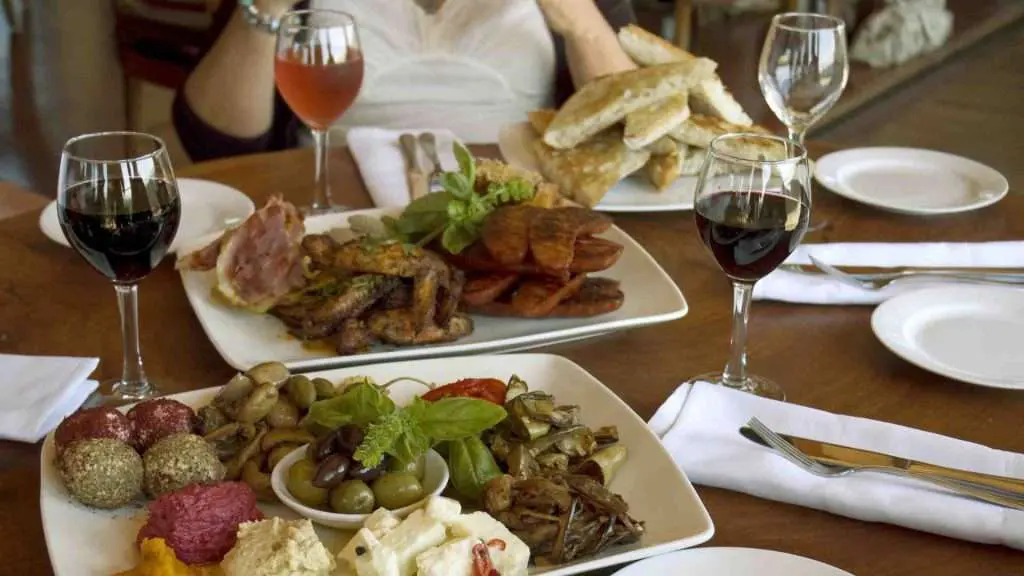
- Artisanal Cheese Board is complemented by a flight of locally-produced craft beers or a selection of boutique wines, each selected to enhance the unique qualities of the cheeses.
- Turmeric-Marinated Chicken Skewers paired with a kombucha mocktail: The anti-inflammatory properties of turmeric combined with the probiotic benefits of kombucha create a harmonious blend that supports gut health while offering a burst of vibrant flavours.
- Quinoa and Roasted Vegetable Bowl accompanied by a kefir smoothie: Integrating protein-rich quinoa and a variety of roasted vegetables with the probiotic richness of a kefir smoothie brings a balanced and nutrient-dense meal, catering to both health-conscious diners and flavour enthusiasts.
Conclusion
The trend towards food and beverage pairing menus is more than a fleeting fashion; it represents a sophisticated and holistic approach to dining that appeals to the modern consumer’s appreciation for innovative design, sustainability, and wellness. By integrating curated pairings into their offerings, restaurants can elevate their culinary narrative, providing an immersive and memorable dining experience that resonates with today’s sophisticated culinary landscape.



