
Ask any Aussie food and bev brand owner where they want their product, and the answer’s almost always “on supermarket shelves and on café menus.” It sounds simple enough, but walk a mile in these shoes and you’ll quickly spot the challenge: selling to Woolies isn’t the same as getting your spritz or snack into a corner bar, local café or busy pub. Each space has its own rules, tricks and personalities.
So, which route is right for your brand—pushing for retail aisle fame, or focusing on venue success? Honestly, there’s no universal shortcut or one-track answer. The best fit depends on what you’re making, who you want to reach, your stage of business, and how hard you want to hustle.
Let’s break it down, Aussie-style. Here are the questions we get the most, answered with local smarts and a “no worries” attitude.
How are retail and food service promotions different in Australia?
In retail, think Coles, Woolies, IGA, Harris Farm, ALDI or your local gourmet grocer. Here, you’re hoping to catch the eye of everyday Aussies as they browse aisles or fill a Click & Collect order. You wrestle for shelf space, hope for a catalogue shout-out, and keep an eye on specials like “2 for $7” or “Save $3”. Maybe you set up a tasting table on a Saturday, or land a spot at fridge-door height. The goal is simple: move units. Fast.
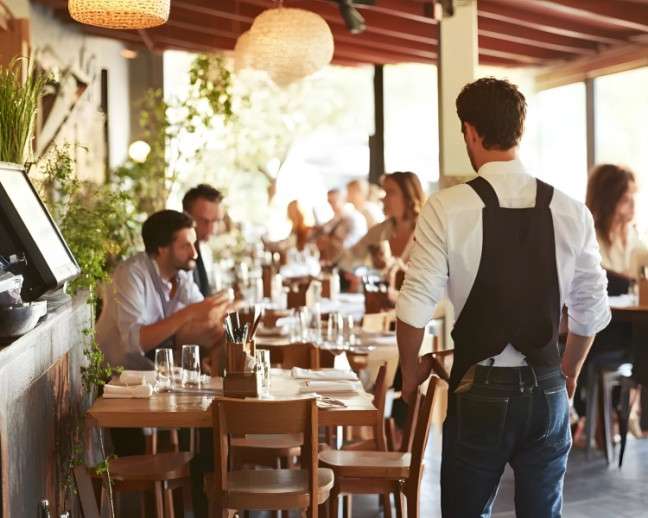
Food service is a different beast. You’re meeting with chefs, purchasing managers, venue owners and bar managers—people who are juggling rosters, margins, and fussy customers. They care about what makes their life easier, tastier, or helps sell another glass or plate. Winning here might come down to showing how your product saves plating time, fits a trend, or fits a recipe with no fuss. It’s not about volume overnight; it’s about getting your name locked onto the menu for longer runs.

Which is better for awareness—supermarkets or venues?
Retail is your shortcut for mass exposure. A win at Woolies can put you on hundreds of shelves countrywide, fast. You get your label in front of thousands—boosts brand recall and awareness instantly (though you’re boxed in with a crowd of other brands).
Food service leans into depth over width. A beloved local café pouring your cold brew, or a pub using your relish, is a kind of endorsement money can’t always buy. You win local loyalty, word-of-mouth, and loads of street cred—sometimes stronger (if smaller-scale) than what you’ll get from retail alone. It also allows your brand to build slowly and build traction and consistent sales vs depending on the major supermarkets to stock you and the possibility of deletion.
What if the budget is tight? Where does my cash go further?
Retail promos get your product shifting in bulk, but between shelf placement fees, discounts, and catalogue costs, things add up in a flash. It’s a quick way to test volume, but make sure you’re not paying to play without seeing actual returns.
Food service wins for a leaner spend, especially in the early days. Give a pub its first case on the house, back it up with a how-to for the kitchen, or swing by for a staff-tasting session. That small investment means a venue might become a regular, steady customer. It’s nimble and builds slower, solid foundations.
What works best in Australian retail promotions?
- Spot Deals: “Was $7, now $4.50” will always get attention (especially on new or impulse buys).
- Multi-Buys: “2 for $9” drags more than one into the trolley—gold for snacks and drinks.
- Tasting Tables: When you can, let shoppers taste for themselves. One bite, and you’re half the way there.
- Top Shelf Placement: Nudge your way up the fridge or into an end-cap display if possible—position is everything.
- Brochure Features: That Coles or Woolies catalogue slot? Pricey, but can skyrocket sales if you’ve done your sums.
Think value, convenience, and visibility. Aussies won’t pass up a good deal—but they won’t buy what they don’t see.
What do Aussie venues and food service folks really want?
Venue owners are looking for partners, not just products. Keep them loyal by being reliable and practical.
- First-Order Perks: Offer a carton free with a first order.
- Staff Sessions: Swing by and show the team how to use (and upsell) your product; it makes your brand memorable.
- Simple Menu Ideas: Give them ready-to-go, cost-effective recipes that take pressure off the kitchen.
- POS Goodies: From posters to branded glassware, helping venues tell your story pays back.
- Consistency: Above all, deliver on time, and don’t let them run out, especially during public holidays or big weekends.
Can I do both at once, or should I choose one?
Plenty of local brands bounce between both (just be sure your supply chain’s rock solid). A smart move: launch in a handful of high-traffic venues, gather some buzz, testimonials, and Insta snaps—then take that proof to supermarket buyers. Or, go retail first, build up your at-home fans, then encourage cafés and pubs to start serving what locals are already loving off the shelf.
The key? Keep your finger on the pulse, stay nimble, and listen—both to your stockists and your end-consumers. Word moves quickly, so you want to be ready.
Beyond Retail and Food Service: Other Distribution Channels to Explore
While supermarkets and hospitality venues tend to draw the spotlight, plenty of brands carve out real success by thinking outside these traditional channels. Here are a few avenues worth considering—and how you might approach them:
HORECA (Hotels, Restaurants, Cafés):
Beyond your typical pub or café, consider boutique hotels, pop-up restaurants, or even boutique accommodation. Approach these businesses with packages tailored to their guest experience—for example, custom breakfast packs or exclusive beverage collaborations for in-room dining.
Institutions (Schools, Universities, Aged Care, Healthcare):
Foods served in institutions need to meet strict standards, but the volume can be significant. For schools, look at nutritious snacks that meet tuckshop guidelines. In aged care, focus on easily consumed, fortified beverages or desserts. For hospitals, products might need additional dietary accreditations, so be sure to check requirements beforehand.
Catering Companies:
Event caterers and corporate catering providers are hungry for unique products that help their offerings stand out. Make it easy—offer them a sample kit, suggest how your product fits a theme (like lunch boxes or canapés), or provide volume break pricing.
Transport (Trains, Planes, Ferries):
Transport catering contracts often favour portion-controlled, shelf-stable items—think snack packs, juices, or single-serve items. If you can package your product for on-the-go convenience, pitch directly to airline procurement teams, train catering companies, or ferry operators, focusing on logistics and long shelf-life.
QSRs (Quick Service Restaurants):
If your offering is fast to prepare and cost-effective at scale, collaborating with a QSR chain could mean huge exposure. This could range from a limited-edition burger sauce to a custom dessert for a summer menu. The key here is being able to deliver reliable quantities and offer proper staff support and training.
Other Channels:
- Corporate Offices: Office snack boxes or pantry services are a rapidly growing market.
- Gyms and Fitness Centres: Protein snacks, ready-to-drink shakes, and healthy beverages can do well at gym kiosks or franchise gyms.
- Subscription Boxes: Many Aussies love to discover new brands in monthly subscription boxes. Offer a promo code or a one-off sample to get your product in the hands of subscribers.
Whatever the channel, the essentials remain the same: know your customers’ unique needs, make it easy for decision-makers to trial your product, and deliver on reliability. Start with one or two new channels, collect feedback, and refine your approach as you go.
In the end, there’s no one-size-fits-all strategy. Be honest about what you want—big numbers, quick, or loyal long-term venues? Think about where your fans shop, eat, and drink. Listen, learn, and don’t be afraid to try something new.
If you’re not sure which road to take, reach out. There’s nothing we enjoy more than seeing good Aussie brands make their mark, whether on the shelf or in the glass.



