
Sustainability has grown from a buzzword to a core value in the food and beverage (F&B) industry. Customers today are not just dining out to enjoy great food. They’re also looking to support venues aligning with their values, including environmental responsibility. For Australian hospitality businesses, adopting sustainable practices can win hearts, positively impact the planet, and—here’s the cherry on the cake—boost your bottom line.
Balancing ecological mindfulness with operational efficiency might sound daunting, but don’t worry—it’s not about reinventing the wheel. It’s about making smarter choices, layering sustainability into your existing practices, and marketing it as part of your brand’s mission. This guide outlines actionable steps, the benefits of green technologies, and how to attract eco-conscious customers—all while keeping profitability at the forefront of your operations.
Why Sustainability Matters in the F&B Industry
The push for sustainability is more than a trend. It’s a societal shift driven by growing concerns over climate change, food waste, and environmental degradation. Australians are increasingly prioritising businesses that minimise their ecological footprint. According to recent industry insights, many diners actively choose venues that advertise eco-friendly credentials.
For businesses, this rise in consumer awareness represents an opportunity to connect with customers on a deeper level. Sustainability isn’t just good for the planet—it’s good for business. Venues that adopt sustainable practices attract more diners, reduce costs, and future-proof their operations against stricter government regulations on waste and emissions.
But what does it take to go green while staying in the black? The answer lies in small, manageable steps that deliver significant long-term results.
Reducing Food Waste and Recycling Like a Pro
One of the most glaring challenges in hospitality is food waste. The amount of food thrown out by restaurants, cafes, and catering businesses each year is staggering. Luckily, there are practical solutions to this problem—and they’re easier to implement than you might think.
1. Monitor and Analyse Waste
It all starts with a waste audit. Track how much food is wasted and identify the main culprits. Is it due to over-ordering, spoilage, or oversized portions? Once you’ve pinpointed problem areas, you can start making data-driven adjustments.
Actionable Tip: Use tracking software to collect data on waste trends and make precise inventory and portioning changes.
2. Optimise Portion Sizes
Many venues serve portions that are too large for customers to comfortably finish. Reducing portion sizes slightly will not only cut waste but also save on costs.
Pro Tip: Offer half-portion menu options or “small plate” alternatives to give diners a choice while reducing uneaten food.
3. Donate Excess Food
No matter how efficient you are, some surplus food is inevitable. Partner with local charities or food rescue organisations to ensure this food goes to needy people. Not only is this sustainable, but it also strengthens your community ties and bolsters your brand image.
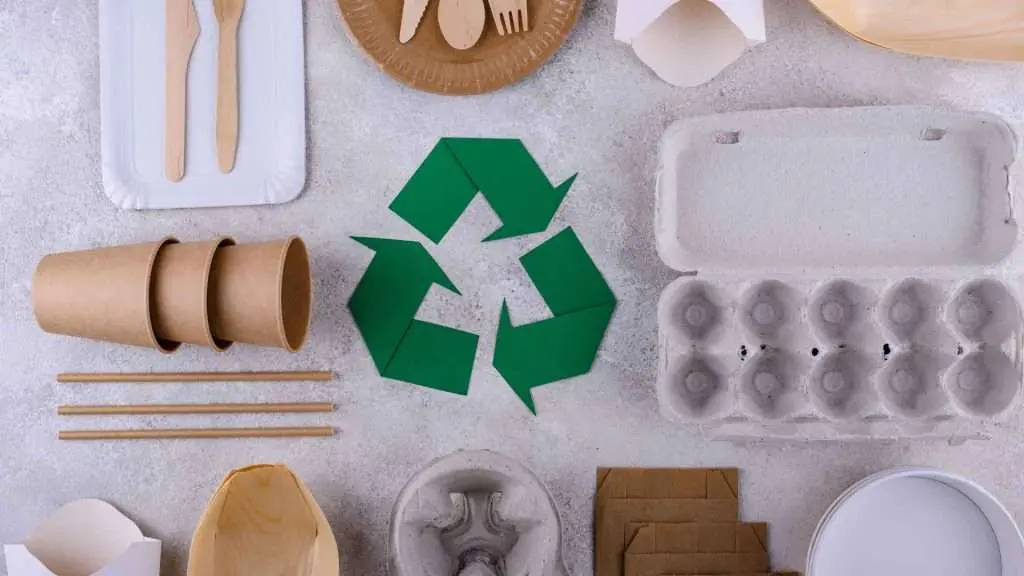
4. Set Up Robust Recycling Systems
Is your venue recycling everything it can? Glass, cardboard, and food scraps shouldn’t all go into the same bin. Work with waste contractors to streamline recycling processes and organise staff training to ensure everyone is on board.
Quick Win: Explore composting food scraps if your venue can access a garden or landscaping area.
Going Green with Eco-Friendly Technologies
Sustainable operations don’t stop at waste management. Adopting eco-friendly technologies can lead to significant cost savings, greater efficiency, and a reduced environmental footprint.
1. Energy-Efficient Equipment
Replacing old kitchen appliances with energy-efficient models might require an upfront investment, but the long-term savings on energy bills are worth it. From induction cooktops to energy-star-rated refrigerators, modern equipment uses far less power and often performs better.
ROI Highlight: Many Australian government initiatives offer rebates or financial incentives when you upgrade to energy-efficient appliances.
2. Water Conservation
Water is a precious (and expensive) resource. Installing low-flow taps, efficient dishwashers, and water leak-detection systems can make a noticeable difference. Pair these technologies with practices like collecting rainwater for landscaping.
3. Renewable Energy Sources
Solar panels are more affordable than ever, making a bold statement about your venue’s commitment to sustainability. Plus, they drastically lower electricity costs over time.
Industry Example: Some Australian venues now run entirely on solar, even using surplus energy to charge electric delivery vehicles.
4. Smart HVAC Systems
Heating and cooling consume a significant portion of a venue’s energy. Smart HVAC systems optimise indoor temperatures based on occupancy, saving energy and money.
Market Your Sustainability Efforts
Once you’ve implemented sustainable practices, it’s time to share your efforts with the world. This not only attracts environmentally minded diners but also creates a positive perception of your brand, which translates to better customer retention and loyalty.
1. Be Transparent
Honesty builds trust. Showcase your sustainability initiatives on your website, social media, and in-venue signage. Break down what actions your venue is taking, why they matter, and the impact they’re having.
Example: “We’ve reduced food waste by 30% this year—that’s the equivalent of saving 5,000 meals!”
2. Engage on Social Media
Social media is the perfect platform to highlight your green initiatives. Celebrate milestones, share behind-the-scenes photos of your sustainable kitchen practices, and educate customers about the benefits of going green. The more engaging and authentic your content, the better it will resonate with your audience.
3. Highlight Sustainable Menu Items
Whether locally sourced ingredients, plant-based dishes, or sustainable seafood, make sure your menu reflects your brand’s eco-conscious ethos. Highlight these choices with labels like “eco-friendly” or “locally sourced” to help customers make sustainable dining decisions.
4. Partner with Green Brands and Organisations
Collaborate with local farmers, eco-campaigns, or sustainability groups to strengthen your credibility. For example, partnering with sustainable brands for packaging or ingredients sends a strong message about your shared values.
Marketing Angle: Promote these collaborations by organising events like “farm-to-plate” dinners or zero-waste cooking workshops.
5. Reward Eco-Conscious Customers
Encourage customers to make sustainable choices with incentives, such as discounts for bringing reusable coffee cups or rewards for dining on “meat-free Mondays.” Small gestures go a long way in creating goodwill and fostering loyalty.
The Bigger Picture—Sustainability Is Good Business
The idea that sustainability costs more needs to be updated. While some initiatives require upfront investments, the ROI is clear. Reduced waste means lower costs, eco-friendly technologies, lower utility bills, and sustainable practices that attract loyal customers willing to spend more with venues that share their values.
The key is integrating sustainability deeply into your operations—not as an afterthought but as a core driving principle. Treat it as part of your mission, brand, and promise to customers. Not only will your venue stand out in a competitive market, but it will also contribute meaningfully to Australia’s broader push for ecological responsibility.
Going green is about doing better—for your business, customers, and the planet we call home.
Are you looking to elevate your hospitality operations? Imagine Collective provides the tools and strategies to drive your venue toward lasting success. Discover practical insights to help your business thrive while making a positive impact. 🌱🌟



