If you own or manage a hospitality venue—whether it’s a neighbourhood café, a bustling bistro, or a country pub—you’ll know the menu is more than just a list of what’s for dinner. The menu is where your business meets your customer. It’s a powerful tool for shaping your profit, reflecting your brand, and keeping the kitchen running smoothly. But, all too often, owners set and forget their menu, leaving serious money on the table and extra headaches for their team.
Let’s say you’re busy, customers seem happy, but your margins are always tighter than you’d like. Sound familiar? You’re not alone. For so many venues, the answer is buried in the menu itself. This is where menu engineering comes into play.
Menu engineering might sound like a high-tech concept, but it’s simply a structured approach to building a menu, a story that works harder for you. Imagine using clear data and a dash of sales psychology to highlight your winners, quietly nudge guests toward better choices, and gently retire the underperformers.
The Real Meaning of Menu Engineering
At its core, menu engineering is a practical process that helps you understand what’s actually happening on your menu—then helps you make informed changes so every dish earns its keep. It blends straightforward maths (costing and sales figures) with clever design and some honest customer insight.
This isn’t about tricking people, and it’s not only for fine dining. Whether you have a two-page brunch list or a rotating blackboard of specials, the principles can be applied.
Think about it this way:
- Which menu items practically sell themselves—but hardly move the profit needle?
- Which dish s are quietly making you money, even if they aren’t the ones you’re proudest of?
- Are some plates so fiddly to make that they tie up the kitchen for ages… but barely sell?
Menu engineering gives you concrete answers, so you can balance creativity, efficiency, and profit.
Why Does Menu Engineering Matter So Much?
Small tweaks compound over time—especially in the world of hospitality, where costs, prices, and preferences are always shifting. A well-engineered menu helps you:
- Pump Up Profits: Think of two meals, both priced at $18. If one brings $10 profit and the other barely clears $3, it makes sense to spotlight the winner. Menu engineering helps you identify and lean into these high-margin stars.
- Give Guests a Better Experience: When menus are clear, considered, and visually appealing, guests order faster and leave happier. Your signature dishes don’t get lost in the noise.
- Smooth Out Operations: Streamlining what you offer, removing time-consuming “Dogs,” and focusing on dishes that work for both kitchen and customer can make service faster—and waste less.
- Supercharge Specials: Feature new, seasonal, or high-margin additions in a way that stands out—and actually gets noticed.
How to Start: The Menu Matrix
Most menu engineering strategies use a tool called the menu matrix. Here’s how it breaks down:
Categorise Every Menu Item
Look at two simple things:
- Profitability: How much does each dish actually earn you, after ingredient and prep costs?
- Popularity: How often does it sell, based on real sales data (from your POS or even a simple tally sheet)?
What you’ll find are four main types:
High Performing Dishes : High Profit, High Popularity
These are your top performers. Maybe it’s that pork belly everyone raves about, or the eggs benny that’s always in demand.
- Highlight them with pride. Give them premium space, a mouthwatering description, and train staff to recommend them.
Customers Favorites : Low Profit, High Popularity
Customers love ‘em, but they don’t do much for your bank account. Think classic burgers, fries, or certain break-even breakfast deals.
- Can you tweak the portion, sub an ingredient, pair them with a profitable side, or gently nudge the price up without scaring folks away?
Margin VS Sales Rate : High Profit, Low Popularity
Great margin, but a tough sell. Maybe that rich, house-made terrine is delicious, but no one bites.
- Time to give them some love. Is it the dish’s name, description, or menu placement? Would a staff push or a special discount help them shine?
Low Return : Low Profit, Low Popularity
Neither here nor there. These could be taking up shelf space in your kitchen—and wallet.
- Unless there’s a good reason to keep them (maybe the chef or regulars are die-hards), be ruthless and retire these choices.
Design to Guide, Not Overwhelm
Menu engineering isn’t just a numbers game. Presentation matters—a lot.
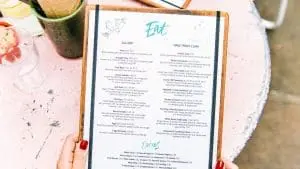
- Menu Real Estate: People’s eyes dart first to the top left corner and the first/last items in each section. That’s where you want your high-margin dishes.
- Visual Cues: Boxes, icons, or bold highlights can steer customers without shouting. Don’t overdo it—one or two calls to action will be more effective than a page that looks like a bingo card.
- Descriptions that Sell: Instead of “Pumpkin Salad,” try “Roasted local pumpkin with creamy goat’s cheese, pepitas & a drizzle of bush honey.” Good writing brings the dish to life and can justify a higher price.
- Price Placement: Keep prices just after the dish name or end of the description—not in a neat right-hand column. This helps encourage guests to order what calls to them, not just what’s cheapest.
- Keep it Manageable: A monster menu feels overwhelming and makes it harder to keep quality and speed up. Aim for variety, but don’t stretch the kitchen too thin.
Putting Menu Engineering to Work
Ready to make changes? Here’s a simple action plan:
- Cost It Out: Get granular with your recipes and pricing. If you don’t know the real cost of each dish, start here first—guesswork will always trip you up.
- Check the Data: Grab your sales records for the past few months. Which items are moving, and which are stalled?
- Map Your Matrix: It can be as simple as a spreadsheet—sort each item as a Decide What to Feature, Fix, or Remove: This is the time for honest conversations with your chef, floor team, and even regulars for feedback. Check data it never lies.
- Redesign Thoughtfully: Update your menu layout, wording, and visuals to match your new priorities. Keep it clean and focused.
- Bring Your Team Onboard: Brief everyone—front of house and kitchen—so staff know what to push and why. Bonus: get their suggestions, as they see what guests love (or leave) every day.
- Keep Reviewing: Your menu isn’t set in stone. Tastes, seasons, trends, and costs change. Schedule a review every six months, or sooner if you spot a trend.
- Hire a professional team to come and help you build out a solid menu and to check your data. Imagine Collective venue team can support your growth and check your cost of goods, menu development and engineering are correct.
Final Thoughts
When you harness the full power of menu engineering, you’re not just making slight adjustments—you’re laying the foundation for a menu that works for your customers, your team, and your business. It’s one of the smartest, most practical ways to boost profits, cut chaos, and deliver an experience guests come back for again and again.
Take it one step at a time, involve your staff, and treat your menu as a living document—always ready to help your venue perform at its best.